



24V Booster Pump
Booster pumps increase low water pressure and flow. It provides the extra boost needed to raise your water pressure to the desired level.
Your Leading Taizhou Inwon Technology Co.,Ltd. Supplier
Taizhou Inwon Technology Co.,ltd is a professional enterprise in the production of water pumps. Located in Daxi Town, Wenling Taizhou City, Zhejiang of China, which is well known as"Hometown of Water Pump".
Taizhou Inwon Technology Co.,ltd is engaged in various kinds of high quality permanent magnet variable frequency water pumps, such as booster pumps, self priming pumps, multi-stage pumps, shield circulation pumps, motors, etc.
As the innovator and leading manufacturer of Automatic permanent magnet variable frequency water pumps and motors in China, we always keep excellence and make progress constantly.
Our mission is to provide the best reliable quality permanent magnet variable frequency water pump and motor at competitive price to meet our customers.
Why Choose Us?
High quality
Our products are manufactured or executed to very high standards, using the finest materials and manufacturing processes.
Competitive Price
We offering a higher-quality product or service at an equivalent price. As a result we have a growing and loyal customer base.
Rich experience
Our company has many years of production work experience. The concept of customer-oriented and win-win cooperation makes the company more mature and stronger.
Global shipping
Our products support global shipping and the logistics system is complete, so our customers are all over the world.
After-sale service
Professional and thoughtful after -sales team, let you worry about us after -sales Intimate service, strong after -sales team support.
Advanced equipment
A machine, tool or instrument designed with advanced technology and functionality to perform highly specific tasks with greater precision, efficiency and reliability.

This is small household quiet automatic frequency conversion energy saving Shielded booster pump. Strong power, high pressure, large flow rate but silent, used for family washing & cleaning water treatment.

This mini DC 24V booster pump is single stage pump, at small size and light weight but cheaper price & large flow.

This is three speed permanent magnet variable frequency Shielding pump with full copper motor. It's silent. Can be used for domestic water treatment solution.

The MC series magnet booster water pump is with permanent magnet conversion technology, but at cheap price. It is a small water supply system suitable for boosting household pipelines, as well as for supplying water to gardens, hotels, and high buildings which can stand 3-100 degree temperature.
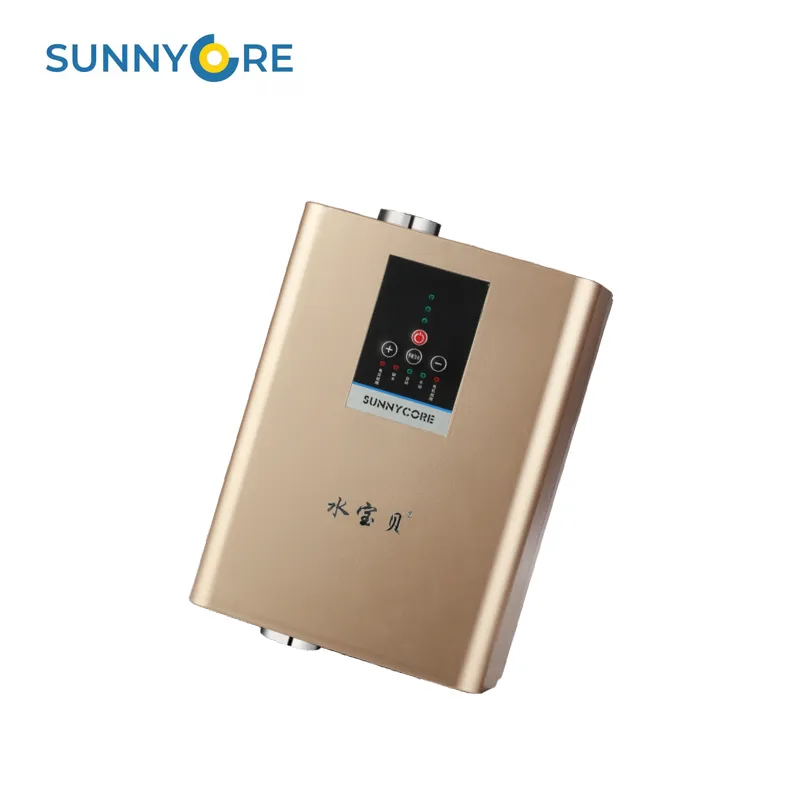
This high pressure booster pumps are suitable for air feed water, boiler feed water and cooling water systems and all kinds of domestic fluid transmission. This water pump resistance temperature up to 100 degrees.
What is 24V Booster Pump?
Booster pumps increase low water pressure and flow. It provides the extra boost needed to raise your water pressure to the desired level. Water booster pump acts as an intermediary between the water source and end points such as faucets, taps and showers, providing the pressure to move water out of a storage tank or throughout a house or commercial facility.
Improved water pressure
The most obvious benefit of a water booster pump is an improvement in water pressure. Low water pressure can be frustrating and it can affect everything from washing dishes to taking a shower. With a water booster pump, you can say goodbye to weak flow and hello to powerful water pressure.
Energy efficient
Water booster pumps are extremely energy efficient. They can help reduce energy costs by lowering your home's overall water usage. When water pressure is low, appliances such as washing machines and dishwashers use more water to get the job done. With a water booster pump, water pressure remains consistent, which can help reduce the amount of water used.
Increased home value
Not only will a water booster pump improve your home's water pressure, but it can also increase the overall value of your home. Having a booster pump installed is an investment in your home, and potential buyers will see it as an added bonus when looking at your home.
Protects appliances
Low water pressure can put added stress on appliances such as washing machines and dishwashers. This can lead to increased wear and tear and lower the lifespan of the appliance. With a water booster pump, you can protect and extend the life of your appliances.
Eco-friendly
Installing a water booster pump can also have a positive impact on the environment. By reducing overall water usage in your home, you are helping to conserve water resources and reduce your carbon footprint.
Types of 24V Booster Pump
These pumps are designed solely for increasing water pressure. They are often used in residential and commercial buildings to ensure adequate pressure at all outlets, including faucets, showers, and appliances. Pressure booster pumps can be installed at various points in the plumbing system to target specific areas with low pressure.
Circulation booster pumps are primarily used in hot water systems to ensure rapid and consistent hot water delivery. They keep hot water circulating within the plumbing lines, reducing the time it takes to get hot water when you turn on the tap. This type of booster pump is particularly beneficial in larger homes and commercial buildings.
In well water systems, where the water source is a private well, booster pumps are used to increase the water pressure from the well to the desired level for distribution throughout the property.
These are complete systems that include multiple pumps, controllers, and backup systems to provide redundancy and ensure uninterrupted water pressure. They are commonly used in commercial and industrial applications where a consistent and reliable water supply is critical.
Application of 24V Booster Pump
Residential buildings: Booster pumps are often installed in multi-story homes and apartment buildings to ensure consistent water pressure on upper floors.
Commercial buildings: Office buildings, hotels, and shopping centers frequently use booster pumps to provide reliable water pressure for restrooms, kitchens, and fire protection systems.
Industrial facilities: Manufacturers and industrial facilities rely on booster pumps to power various processes, such as cooling systems, machinery operation, and hydraulic equipment.
Agriculture: Booster pumps can be found in agricultural operations where consistent water pressure is crucial for irrigation, livestock watering, and other farming needs.
Municipal water supply: In municipal water distribution systems, booster pumps are used to maintain adequate pressure in areas with challenging terrain or high-rise buildings.
Fire protection: Booster pumps play a critical role in fire protection systems by ensuring that water is readily available at the required pressure for firefighting.
Components of 24V Booster Pump
Electric motor
The electric motor that drives the pump shaft and impeller.
Pump
The main factor of circulation and fluid flow is the performance of the pump with a proper head, flow, and diameter.
Electrical and control board
The electrical board is responsible for controlling and coordinating the mechanical and electrical components of the booster pump, and its proper design plays a significant role in the optimal functioning of the system.
Manometer
To measure the input and output pressure of the fluid to the booster pump and display the pressure of each of the pumps.
Pressure switch
Controlling the minimum and maximum pressure of required operation and determining the permissible working pressure range in booster pumps
Pressure transmitter
This important equipment is used in variable speed booster pumps and for completely constant control of water pressure.
Chassis
All booster pump components, including the pump, electric motor, control board, pipes, and connections of the suction and heating parts, must be placed on a solid and integrated chassis to prevent vibration in addition to integrating the system. (It is better to install the switchboard in a stable and vibration-free place)
Diaphragm tank
Due to the incompressibility of water, the water pressure in the system must always be constant and the water pressure supplied by the pump must circulate. This task can be entrusted to a pressurized diaphragm tank to store water at a certain pressure.
1.Inspect regularly: Conduct routine visual inspections of the pump, motor (if applicable), and associated components. Look for signs of leaks, corrosion, or unusual noise.
2.Lubrication: If your pump requires lubrication, follow the manufacturer's recommendations for the type and frequency of lubrication.
3.Clean filters: Clean or replace filters and strainers as needed to prevent clogging and maintain optimal flow.

4.Check seals and gaskets: Inspect seals and gaskets for wear and replace them if they show signs of damage or deterioration.
5.Tighten bolts and connections: Periodically check and tighten bolts, nuts, and pipe connections to prevent leaks.
6.Monitor pressure: If you have a booster pump system, regularly monitor the system's pressure and adjust settings as needed to maintain the desired pressure level.
7.Service by professionals: For more complex maintenance tasks or repairs, consult with qualified technicians or professionals experienced in pump maintenance.
Water booster pumps work using a relatively straightforward hydraulic pumping process governed by a few basic principles of physics. Here are some key points on how they operate:
●The incoming municipal water supply is piped into the booster pump system. This feed water serves as the suction side source for the water pressure booster pumps.
●An electric motor spins an impeller inside the pump at high revolutions per minute. The spinning creates centrifugal force that draws water into the center of the impeller.
●The impeller blades force the water outward from the center to the edge of the pump casing under pressure. This pressurized water flow exits the booster pump outlet.
●Check valves ensure the boosted water flows in one direction into the building's plumbing system and cannot backflow into the pump inlet side.
●A pressure sensor tells the pumps when to turn on and off based on the downstream water pressure. An adequate pressure must be maintained at all times for fixtures.
●Controls may adjust pump speed to finely regulate downstream pressure. Variable frequency drive systems allow smooth speed changes rather than abrupt on/off cycling.
●Where very high boost pressures are required, multiple pumps may be combined in sequence or parallel configurations for greater output pressure capacity while also providing redundancy.
Here Are Some Additional Considerations to Make When Sizing a House Water
Flow rate
Since varying flow rates occur throughout the day in your building, be sure to calculate the flow rate. For instance, the morning time normally results in peak flow usage. This is because most people get ready for work and school in the morning. The same building may have a minimum flow usage when most people are sleeping. Thus, the flow rate that fixtures use may vary greatly.
Total dynamic head
Once you know the required flow rate, determine the total head pressure. Every floor in a high-rise building will translate into pressure loss from the main city supply. This may be due to static head, friction loss, and vertical loss. Consider these losses in the total dynamic head. Make sure your domestic water pump installation can overcome these losses at a given flow rate. Typically, a pump should be able to achieve a water pressure of 40 psi at the top of a residential building.
Number of pumps
Determine the number of pumps your booster system will utilize. For a small application below 150 GPM, two pumps will suffice. Larger applications of more than 150 GPM can consider three-pump installations for greater dependability. For systems with extremely variable demands, where the demand can range from the highest peak possible, consider installing multiple water booster pumps.
Type of pump
There are different types of water booster pumps available to accomplish the necessary pressure boost in your building. For instance, end suction pumps are great for low-head installations. They offer an economical equipment package. On the other hand, split-case pumps are best for low to medium heads. They are heavy-duty, offer extended product life, and require more space. Other pump types include multistage centrifugal and turbine pumps that are used for high-head applications.
Other selection considerations
Lastly, there are some additional factors that influence pump sizing and selection. For optimal performance, create a flow profile for your building and track pump demands and high usage points. Generally speaking, domestic applications require high rates of 4-6 hours/day flow. Also, we recommend you to consider multiple pumps with smaller horsepower rather than one large domestic water pump.
How to Improve the Efficiency of a Water Booster Pump?
It is to save energy by connecting the booster pump to a variable frequency drive (VFD) for speed control. The following are some reasons why you should install a speed controller with a booster pump:
●Depending on the existing state of the building, the needed boost pressure may vary. If the water pressure requirement is low, for example, the speed controller will not be required.
●Water pressures can be influenced by utility companies as well. Low-pressure issues, for example, can only happen when the distribution system is experiencing peak demand.
●VFDs can also be used to start the water booster pump and avoid inrush currents, which are often 5 to 8 times the rated current. This inrush might create an unexpected voltage drop, which can damage sensitive electronic equipment if there isn't a soft starting mechanism.
When a speed control unit is connected to a booster pump, you may modify the operation in real time to maximize energy efficiency based on the conditions of the buildings and the water supply. Electronic rectifier motors provide optimal energy economy while also providing integrated speed control for low-power applications.
What Is the Difference Between a Pressure Pump and a Booster Pump?
A pressure pump and a booster pump are two types of pumps that are used to increase water pressure in a plumbing system. However, there are some differences between the two.
A pressure pump, also known as a constant pressure pump, is designed to maintain a constant water pressure in the plumbing system. These pumps are typically used in situations where the water supply pressure is inconsistent, such as in rural areas or in buildings with multiple floors. A pressure pump works by adjusting the pump speed to maintain a set pressure, regardless of the demand for water in the system.
A booster pump, on the other hand, is designed to increase water pressure when the existing pressure is too low. These pumps are often used in residential or commercial settings to improve water flow in areas where the pressure is insufficient, such as in upper floors or in areas far from the water source. Booster pumps are typically installed in-line with the plumbing system and are activated when the water pressure drops below a certain threshold.
Taizhou Inwon Technology Co.,ltd is a professional enterprise in the production of water pumps. Located in Daxi Town, Wenling Taizhou City, Zhejiang of China, which is well known as "Hometown of Water Pump".

FAQ
Q: What is the purpose of a boost pump?
Q: Where do you install a water pressure booster pump?
Q: What is the difference between a normal pump and a booster pump?
Q: Do you need a pressure tank if you have a booster pump?
Q: Do I need a water pressure booster pump?
Q: What is the life expectancy of a water pressure booster pump?
Q: How do I know what size booster pump I need?
Q: How do you size a pressure tank for a booster pump?
Q: Do you install a booster pump before or after softeners?
Q: How much electricity does a pressure booster pump use?
They typically draw 40 - 190 watts. You don't need an inverter to run them. The disadvantage of these pumps is that they have brushes and require more maintenance than a larger 230V unit.
Q: Can you use a jet pump as a booster pump?
Q: Why is there no suction on my booster pump?
Q: What is the difference between a booster pump and a circulator pump?
Q: How do I increase water pressure in my booster pump?
Open a faucet on the top level of your house to allow any air pressure to get released. Look for any leaks where the water pressure booster was installed or the line was cut. Now you can plug the pump into a nearby GFCI outlet and let it run.
Q: What happens if booster pump runs dry?
Q: Will a booster pump increase GPM?
Q: Is a centrifugal pump the same as a booster pump?
Q: Why is my booster pump so loud?
Q: How do I keep my booster pump from freezing?
Q: Does a booster pump need a check valve?
Hot Tags: 24v booster pump, China 24v booster pump manufacturers, suppliers, factory, Stainless Steel Multistage Centrifugal Pump, Circulation Pump, Multistage Magnetic Pump, Permanent Magnet Self Priming Pump, Agricultural Pump, Self Priming Electric Pump


Send Inquiry
