

Are multistage pressure pumps suitable for high - altitude areas?
Sep 26, 2025
Are multistage pressure pumps suitable for high - altitude areas?
As a supplier of multistage pressure pumps, I often receive inquiries from customers in high - altitude regions about the suitability of our pumps for their specific environments. High - altitude areas present unique challenges that can significantly impact the performance of pumps, and it's crucial to understand these factors before making a decision.
Understanding High - Altitude Conditions
High - altitude areas are characterized by lower atmospheric pressure, lower oxygen levels, and often, lower ambient temperatures. Atmospheric pressure decreases with increasing altitude. For example, at sea level, the standard atmospheric pressure is about 101.3 kPa, but at an altitude of 3000 meters, it drops to approximately 70 kPa. This decrease in pressure affects the way pumps operate, especially in terms of suction and discharge capabilities.
The lower oxygen levels at high altitudes can also have an impact on the pump's motor if it is an internal combustion engine - driven pump. Engines require oxygen for combustion, and a lack of it can lead to reduced power output and efficiency. Additionally, the lower ambient temperatures can cause issues with the pump's lubricants and other components, potentially leading to increased wear and tear or even component failure.
How Multistage Pressure Pumps Work
Multistage pressure pumps are designed to increase the pressure of a fluid by passing it through multiple impellers in series. Each impeller adds energy to the fluid, gradually increasing its pressure. These pumps are commonly used in applications where high pressure is required, such as water supply systems, industrial processes, and irrigation.
There are different types of multistage pressure pumps available from our company. The Multi Stage Pressure Booster Pump is a popular choice for boosting water pressure in residential and commercial buildings. It is designed to provide a consistent and reliable supply of water at high pressure. The Stainless Steel Horizontal Multistage Centrifugal Pump is another option, which is known for its durability and corrosion resistance, making it suitable for a wide range of industrial applications. And the Fully Integrated Variable Frequency Magnetic Pump offers precise control over the pump's speed and pressure, allowing for energy - efficient operation.
Suitability of Multistage Pressure Pumps in High - Altitude Areas
Positive Aspects
- Pressure Boosting Capability: One of the main advantages of multistage pressure pumps in high - altitude areas is their ability to boost pressure effectively. Despite the lower atmospheric pressure, these pumps can still generate the required pressure to deliver water or other fluids to the desired locations. For example, in a high - altitude village where water needs to be pumped from a low - lying source to a storage tank on a hill, a multistage pressure pump can overcome the elevation difference and provide a sufficient water supply.
- Adaptability: Modern multistage pressure pumps are designed to be adaptable to different operating conditions. Many pumps are equipped with variable frequency drives (VFDs), which can adjust the pump's speed according to the demand. This feature is particularly useful in high - altitude areas where the water demand may vary depending on the time of day or season.
Challenges and Considerations
- Suction Performance: The lower atmospheric pressure at high altitudes can affect the pump's suction performance. Pumps rely on atmospheric pressure to lift the fluid into the pump. With lower atmospheric pressure, the maximum suction lift of the pump is reduced. This means that the pump may not be able to draw water from a deep well or a low - lying source as effectively as it would at sea level. To overcome this issue, additional measures such as using a submersible pump at the source or installing a suction booster may be required.
- Motor Performance: As mentioned earlier, the lower oxygen levels at high altitudes can impact the performance of the pump's motor if it is an engine - driven pump. Electric motors are generally less affected by the lack of oxygen, but they may still face challenges due to the lower ambient temperatures. Cold temperatures can increase the electrical resistance of the motor windings, leading to reduced efficiency and increased power consumption. Special insulation and heating elements may be needed to ensure the motor operates properly in cold environments.
- Component Durability: The lower temperatures and potentially harsh environmental conditions in high - altitude areas can also affect the durability of the pump's components. Lubricants may thicken in cold temperatures, reducing their effectiveness in lubricating moving parts. Seals and gaskets may become brittle and prone to leakage. Regular maintenance and the use of high - quality, cold - resistant components are essential to ensure the long - term reliability of the pump.
Case Studies
To illustrate the performance of multistage pressure pumps in high - altitude areas, let's look at a few case studies.
In a high - altitude mining operation located at an elevation of 4500 meters, a Stainless Steel Horizontal Multistage Centrifugal Pump was installed to supply water for dust suppression and other industrial processes. Initially, the pump faced some challenges with suction performance due to the low atmospheric pressure. However, by installing a suction booster and adjusting the pump's operating parameters, the system was able to achieve the required water flow and pressure. The pump has been operating reliably for several years, with only minor maintenance required.

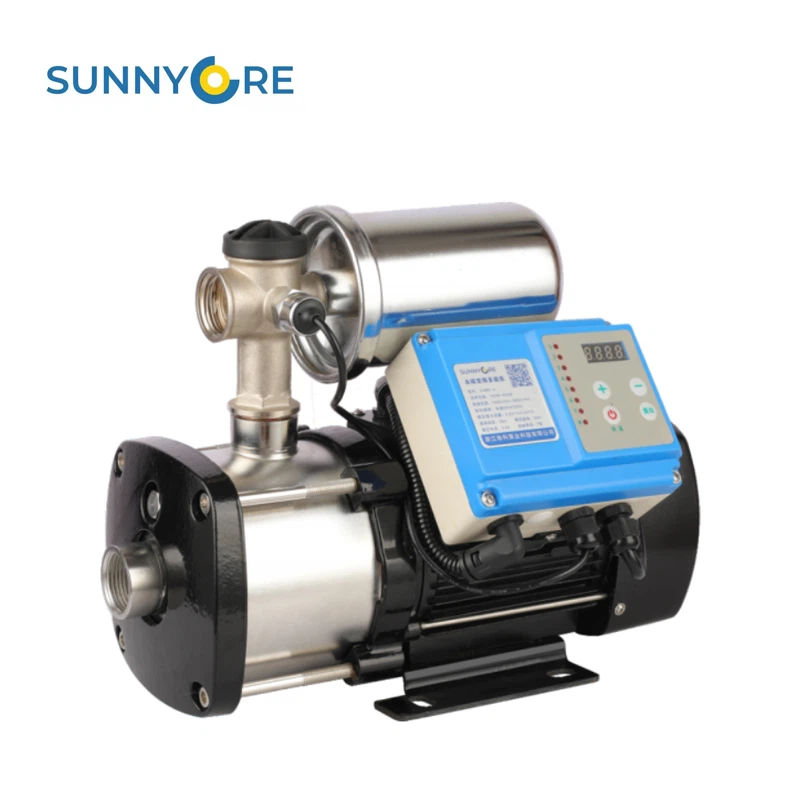
In a remote high - altitude village, a Multi Stage Pressure Booster Pump was used to supply water from a nearby stream to the village's water storage tank. The pump was equipped with a VFD, which allowed it to adjust its speed according to the water demand. Despite the cold temperatures and low atmospheric pressure, the pump has been able to provide a consistent water supply to the village, improving the living conditions of the residents.
Conclusion
In conclusion, multistage pressure pumps can be suitable for high - altitude areas, but careful consideration must be given to the specific challenges posed by these environments. While these pumps offer the ability to boost pressure effectively and are adaptable to different operating conditions, they may face issues with suction performance, motor performance, and component durability. By taking appropriate measures such as using suction boosters, selecting the right type of motor, and ensuring regular maintenance, the performance and reliability of multistage pressure pumps in high - altitude areas can be optimized.
If you are in a high - altitude area and are considering purchasing a multistage pressure pump, we encourage you to contact us for a detailed consultation. Our team of experts can help you select the most suitable pump for your specific needs and provide guidance on installation, operation, and maintenance. Let's work together to ensure a reliable and efficient fluid - handling solution for your high - altitude application.
References
- Pump Handbook, 4th Edition, Igor J. Karassik et al.
- ASME Standards for Pump Design and Performance
- Technical literature from pump manufacturers on high - altitude operation considerations