

Can a shielding circulating pump be used for corrosive fluid circulation?
Aug 29, 2025
As a supplier of shielding circulating pumps, I often encounter inquiries about whether these pumps can be used for corrosive fluid circulation. This is a crucial question, especially in industries where handling corrosive substances is a daily necessity. In this blog, I'll delve into the technical aspects of shielding circulating pumps and their suitability for corrosive fluid applications.
Understanding Shielding Circulating Pumps
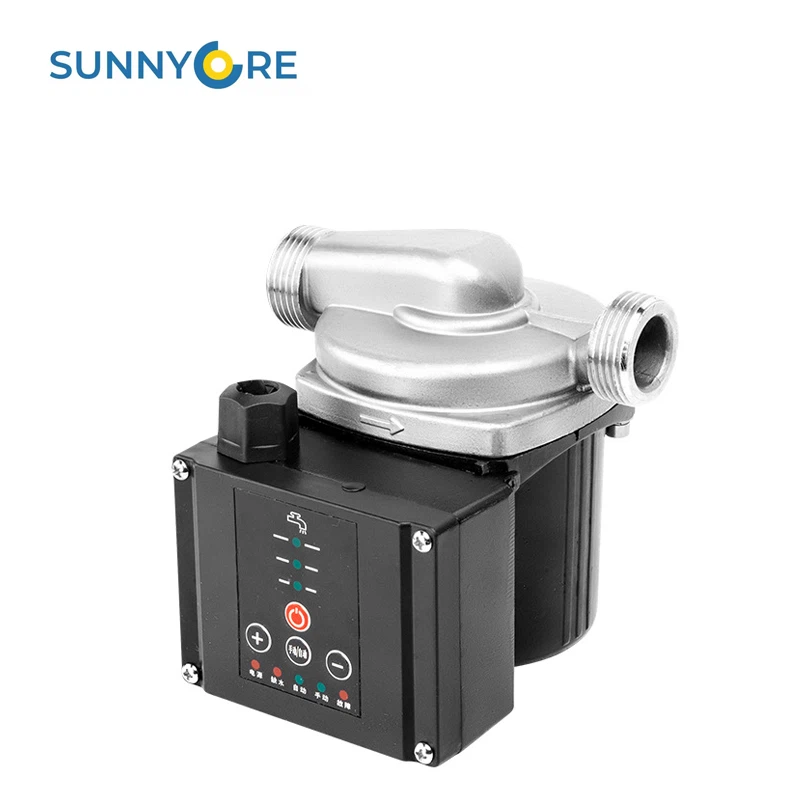
Shielding circulating pumps are a type of centrifugal pump that features a unique design. They are equipped with a shielding sleeve that separates the motor from the pumped fluid. This design not only enhances the pump's efficiency but also provides a high level of sealing, preventing leakage of the fluid. The hermetically sealed structure makes them ideal for applications where a tight seal is required, such as in hot water circulation systems. For instance, our Hot Water Recirculation Pump is designed to ensure a continuous and efficient flow of hot water, maintaining a consistent temperature throughout the system.
Corrosive Fluids: A Challenge for Pumps
Corrosive fluids, such as acids, alkalis, and some chemical solutions, pose a significant challenge to pumps. These fluids can cause damage to the pump's components, including the impeller, casing, and shaft. The corrosion process can lead to reduced pump performance, increased maintenance costs, and ultimately, pump failure. Therefore, when selecting a pump for corrosive fluid circulation, it's essential to consider the pump's material compatibility and corrosion resistance.
Material Selection for Corrosive Applications
The key to using a shielding circulating pump for corrosive fluid circulation lies in the proper selection of materials. Different corrosive fluids require different materials to withstand their chemical properties. For example, for mild corrosive fluids like diluted acids and alkalis, pumps made of stainless steel can be a suitable choice. Stainless steel offers good corrosion resistance and mechanical strength, making it a popular material for many industrial applications. Our Underfloor Heating Circulation Pump is available in stainless steel variants, which can handle some mildly corrosive fluids commonly found in heating systems.
For more aggressive corrosive fluids, such as concentrated acids or strong oxidizing agents, special materials like titanium, ceramic, or fluoropolymers may be required. Titanium has excellent corrosion resistance in a wide range of corrosive environments, but it is relatively expensive. Ceramic materials are also highly resistant to corrosion and wear, but they are brittle and require careful handling. Fluoropolymers, such as PTFE (polytetrafluoroethylene), offer outstanding chemical resistance and low friction, making them suitable for applications where the fluid needs to be kept pure.
Design Considerations for Corrosive Fluid Circulation
In addition to material selection, the design of the shielding circulating pump also plays a crucial role in its performance when handling corrosive fluids. The pump's internal structure should be designed to minimize the contact area between the fluid and the pump components, reducing the risk of corrosion. For example, the impeller and casing should have smooth surfaces to prevent the accumulation of corrosive substances.
Furthermore, the pump's sealing system is of utmost importance. A reliable sealing system can prevent the leakage of corrosive fluids, protecting the motor and other components from damage. Our Domestic Hot Water Circulation Pump is designed with advanced sealing technology to ensure a tight seal and prevent any potential leakage.
Case Studies: Successful Use of Shielding Circulating Pumps in Corrosive Applications
To illustrate the effectiveness of shielding circulating pumps in corrosive fluid circulation, let's look at some real-world case studies. In a chemical processing plant, a shielding circulating pump made of titanium was used to circulate a concentrated acid solution. The pump was able to operate continuously for several years without any significant corrosion issues, thanks to the excellent corrosion resistance of titanium.

In another example, a water treatment facility used a shielding circulating pump with a ceramic impeller to handle a high-chlorine water solution. The ceramic impeller proved to be highly resistant to corrosion and wear, ensuring the long-term reliability of the pump.
Maintenance and Monitoring for Corrosive Applications
Even with the right materials and design, regular maintenance and monitoring are essential for pumps used in corrosive fluid circulation. Maintenance tasks may include inspecting the pump's components for signs of corrosion, replacing worn-out parts, and checking the sealing system for leaks. Monitoring the pump's performance, such as flow rate, pressure, and power consumption, can help detect any potential issues early and prevent costly breakdowns.
Conclusion
In conclusion, a shielding circulating pump can be used for corrosive fluid circulation, provided that the pump is properly designed and the materials are carefully selected. By choosing the right materials, such as stainless steel, titanium, ceramic, or fluoropolymers, and implementing a suitable design, the pump can withstand the corrosive effects of various fluids. However, it's important to note that each corrosive fluid has its own unique properties, and a thorough analysis of the fluid's chemical composition is necessary before selecting a pump.
If you're looking for a reliable shielding circulating pump for your corrosive fluid circulation needs, we're here to help. Our team of experts can provide you with professional advice and customized solutions based on your specific requirements. Contact us today to discuss your project and explore how our pumps can meet your needs.
References
- Perry, R. H., & Green, D. W. (1997). Perry's Chemical Engineers' Handbook. McGraw-Hill.
- Pump Handbook (4th Edition). Edited by Igor J. Karassik, Joseph P. Messina, Paul Cooper, Charles C. Heald. McGraw-Hill Professional.