

How to extend the service life of a Magnetic Self Priming Pump when pumping slurries?
Sep 22, 2025
Pumping slurries can be a real challenge for any pump, and that's especially true for a Magnetic Self Priming Pump. As a supplier of these pumps, I've seen firsthand how quickly they can wear out when used with slurries. But don't worry! There are several ways to extend the service life of your Magnetic Self Priming Pump when pumping slurries. In this blog post, I'll share some tips and tricks that I've learned over the years.
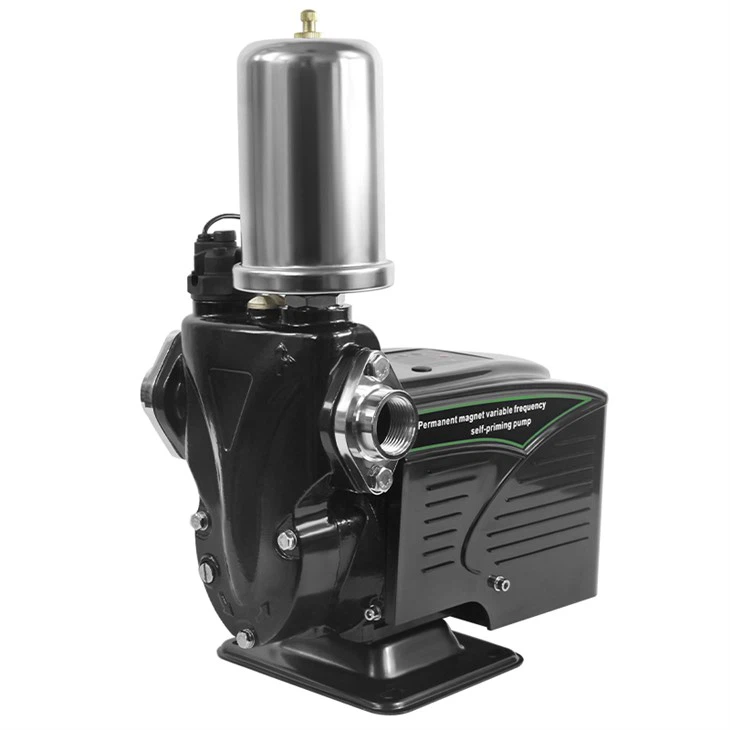
First off, let's talk about what a Magnetic Self Priming Pump is. It's a type of pump that uses a magnetic drive to transfer power from the motor to the impeller. This design eliminates the need for a traditional shaft seal, which reduces the risk of leaks and makes the pump more reliable. You can learn more about it on our website by clicking Self Priming Magnetic Drive Pump.
Now, when it comes to pumping slurries, the biggest enemy of your Magnetic Self Priming Pump is abrasion. Slurries are made up of solid particles suspended in a liquid, and these particles can cause significant wear and tear on the pump's components, especially the impeller and the casing. To combat this, you need to choose the right materials for your pump.
One of the best materials for handling slurries is rubber. Rubber has excellent abrasion resistance, which means it can withstand the constant rubbing and scraping of the solid particles in the slurry. Many of our Magnetic Self Priming Pumps are available with rubber-lined casings and impellers. You can check out our Magnetic Self Priming Pump models that offer this option.
Another important factor is the size of the solid particles in the slurry. If the particles are too large, they can get stuck in the pump and cause blockages. That's why it's crucial to use a pre - filter or a screen before the pump. This will help remove the larger particles and prevent them from entering the pump. A simple screen can significantly reduce the wear on the pump and extend its service life.
Proper alignment of the pump is also essential. When the pump is not properly aligned, it can cause extra stress on the components, leading to premature wear. Make sure that the pump is installed on a level surface and that the motor and the pump are correctly aligned. This may seem like a small detail, but it can make a huge difference in the long run.
Regular maintenance is key to keeping your Magnetic Self Priming Pump in good condition. Check the pump's components regularly for signs of wear and tear. This includes inspecting the impeller for cracks or chips, checking the magnetic coupling for any signs of over - heating or misalignment, and looking at the seals for leaks. If you notice any problems, address them immediately. Replacing a worn - out part early can prevent more serious damage to the pump.
The operating speed of the pump also matters. Running the pump at too high a speed can increase the abrasion on the components. It's a good idea to run the pump at the lowest speed possible that still meets your pumping requirements. This will reduce the stress on the impeller and other parts, and help extend the pump's life.
Let's not forget about the importance of the liquid in the slurry. The chemical composition of the liquid can have a big impact on the pump. Some liquids can be corrosive, which can eat away at the pump's materials. If you're pumping a corrosive slurry, make sure to choose a pump with materials that are resistant to corrosion. For example, some of our pumps are made with stainless steel components, which are highly resistant to many corrosive substances.
Now, if you're using the pump in a swimming pool or similar application, you might be interested in our Self Priming Pump For Swimming Pool. These pumps are designed to handle the specific requirements of pool water, including the presence of chlorine and other chemicals.
In addition to choosing the right materials and performing regular maintenance, you also need to be careful about the startup and shutdown procedures of the pump. When starting the pump, make sure that the suction line is filled with liquid to prevent dry running. Dry running can cause severe damage to the pump's components, especially the seals and the impeller.
When shutting down the pump, it's a good idea to flush the pump with clean water to remove any remaining slurry. This will prevent the slurry from drying and hardening inside the pump, which can cause blockages and additional wear when the pump is started up again.
Another tip is to monitor the pump's performance. Keep track of the flow rate, pressure, and power consumption of the pump. A sudden change in any of these parameters can indicate a problem with the pump. By catching these issues early, you can take corrective action before the pump fails completely.
In conclusion, extending the service life of a Magnetic Self Priming Pump when pumping slurries requires a combination of proper material selection, regular maintenance, correct installation, and careful operation. By following these tips, you can get the most out of your pump and save money in the long run.
If you're interested in purchasing a Magnetic Self Priming Pump or need more information about how to maintain and extend the life of your pump, don't hesitate to get in touch with us. We're here to help you find the best solution for your pumping needs.
References

- Pump Handbook by Karassik, I. J., Messina, J. P., Cooper, P. T., & Heald, C. C.
- Industrial Pump Technology Handbook by Igor J. Karassik
- Pump Users Handbook: Life Extension by Norman P. Lieberman and Richard P. Lieberman