

Can an agricultural pressure pump be used for spraying pesticides?
Jun 25, 2025
As a supplier of Agricultural Pressure Pumps, I often receive inquiries from farmers and agricultural workers about the versatility of our products. One common question is whether an agricultural pressure pump can be used for spraying pesticides. In this blog post, I'll delve into this topic, exploring the feasibility, considerations, and best practices for using an agricultural pressure pump in pesticide spraying operations.
The Feasibility of Using an Agricultural Pressure Pump for Pesticide Spraying
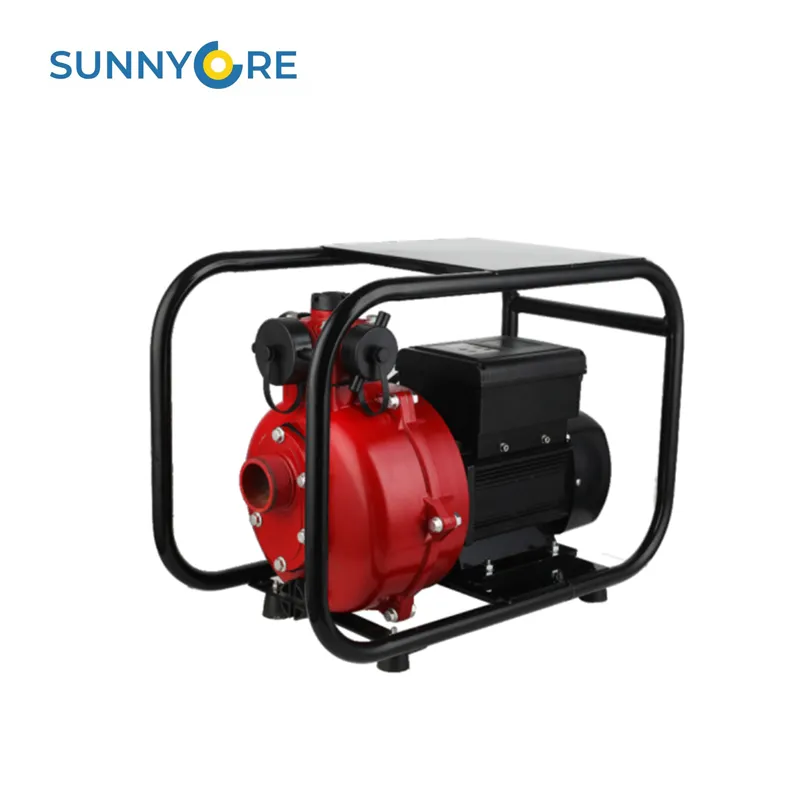
Agricultural pressure pumps are designed to generate high pressure to move water or other fluids through a system, such as irrigation pipes or hoses. Their ability to create consistent pressure makes them a potential candidate for pesticide spraying. Pesticide spraying requires a certain level of pressure to ensure that the pesticide is atomized into fine droplets and distributed evenly over the target area.
Most agricultural pressure pumps can generate the necessary pressure for pesticide spraying. They can be adjusted to different pressure settings, allowing for flexibility in various spraying applications. Whether you're spraying a small garden or a large agricultural field, an agricultural pressure pump can be configured to meet your specific needs.

Considerations When Using an Agricultural Pressure Pump for Pesticide Spraying
While agricultural pressure pumps can be used for pesticide spraying, there are several important considerations to keep in mind to ensure safe and effective operation.
Compatibility with Pesticides
Not all pumps are compatible with all types of pesticides. Some pesticides may be corrosive or abrasive, which can damage the pump components over time. Before using a pressure pump for pesticide spraying, it's essential to check the pump's compatibility with the specific pesticides you plan to use. Look for pumps that are made from materials resistant to chemical corrosion, such as stainless steel or certain types of plastics.
Cleaning and Maintenance
After each use, the pump must be thoroughly cleaned to remove any residual pesticides. Failure to clean the pump properly can lead to contamination of future irrigation or spraying operations and may also damage the pump. Follow the manufacturer's instructions for cleaning and maintenance, and use appropriate cleaning agents that are safe for the pump materials.
Safety Precautions
Pesticides are toxic substances, and proper safety precautions must be taken when handling and spraying them. Wear appropriate personal protective equipment (PPE), such as gloves, goggles, and a respirator, to avoid exposure to pesticides. Ensure that the spraying area is well-ventilated, and keep bystanders and animals away from the area during spraying.
Pressure and Flow Rate
The pressure and flow rate of the pump must be carefully adjusted to ensure proper pesticide application. Too much pressure can cause the pesticide to drift, leading to environmental contamination and ineffective pest control. On the other hand, too little pressure may result in uneven distribution of the pesticide. Consult the pesticide manufacturer's recommendations for the appropriate pressure and flow rate for your specific application.
Best Practices for Using an Agricultural Pressure Pump for Pesticide Spraying
To ensure the safe and effective use of an agricultural pressure pump for pesticide spraying, follow these best practices:
Pre-Use Inspection
Before each use, inspect the pump for any signs of damage or wear. Check the hoses, fittings, and nozzles for leaks or blockages. Make sure the pump is properly grounded to prevent electrical hazards.
Mixing Pesticides
Follow the pesticide manufacturer's instructions for mixing the pesticide solution. Use clean water and the correct ratio of pesticide to water. Avoid over-mixing or under-mixing the solution, as this can affect the effectiveness of the pesticide.
Spraying Technique
Use a proper spraying technique to ensure even distribution of the pesticide. Start spraying at the upwind side of the target area and work your way downwind. Keep the nozzle at a consistent height and distance from the target to ensure uniform coverage.
Post-Use Cleaning
After spraying, immediately flush the pump and hoses with clean water to remove any residual pesticides. Dispose of the cleaning water and any remaining pesticide solution according to local regulations.
Our Agricultural Pressure Pumps for Pesticide Spraying
At our company, we offer a wide range of Agricultural Irrigation Pumps that are suitable for pesticide spraying. Our pumps are designed with high-quality materials and advanced technology to ensure durability, reliability, and compatibility with various pesticides.
Our Water Pump for Farm Irrigation is a popular choice for small to medium-sized farms. It is easy to install and operate, and it can be adjusted to different pressure and flow rates to meet your specific spraying needs.
For larger farms or commercial applications, our Water Booster Pump For Irrigation provides high-pressure and high-flow capabilities. It is designed to handle large volumes of pesticide solution and can cover a wide area in a short time.
Conclusion
In conclusion, an agricultural pressure pump can be used for spraying pesticides, but it requires careful consideration and proper maintenance to ensure safe and effective operation. By following the guidelines and best practices outlined in this blog post, you can use our agricultural pressure pumps to achieve optimal pest control results while protecting the environment and your health.
If you're interested in learning more about our agricultural pressure pumps or have any questions about using them for pesticide spraying, please don't hesitate to contact us. We're here to provide you with the information and support you need to make the right choice for your agricultural needs.
References
- "Pesticide Application Equipment: Selection, Calibration, and Use." Extension.org.
- "Safe Use of Pesticides." Environmental Protection Agency (EPA).